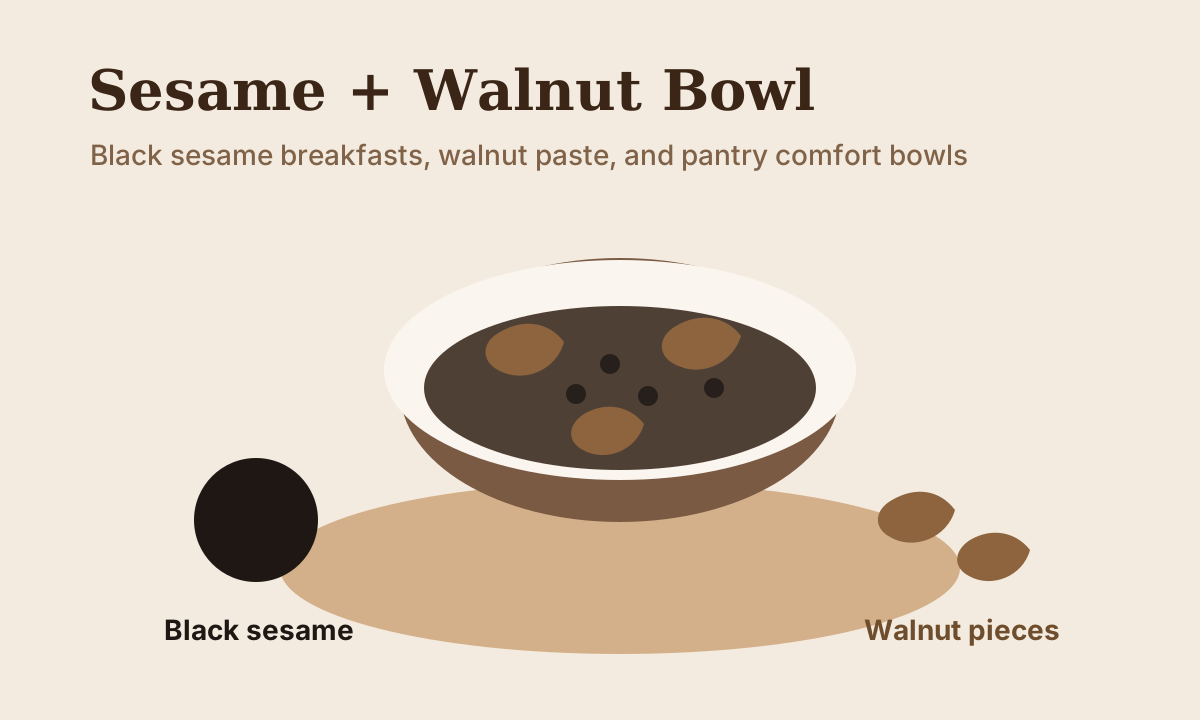
Black sesame seeds are a tiny pantry ingredient with a big flavor: toasty, nutty, and a touch bitter in a way that makes warm grains feel more rounded. They move easily from porridge to paste to a sprinkle-over toast, so they're perfect for quick morning routines and simple weekday breakfasts. This page keeps things practical and repeatable, with a short ingredient list, straightforward toasting and grinding methods, quick assembly ideas, and storage and safety notes.
Readers who search black sesame recipe ideas often want a very simple bowl they can picture right away, so this page stays warm, pantry-first, and easy to repeat.
This recipe page includes ingredients, step-by-step preparation, and related herb links
so readers can move from one kitchen idea into clearer ingredient context.
Quick guide
What this recipe page includes
This page explains the traditional kitchen context behind Black Sesame Breakfast Ideas for Beginners,
then shows the ingredient list, step-by-step method, related herb pages, and
topic hubs for deeper reading.
Black sesame has a concentrated roasted aroma that stands up to warm grains and milk. Toasting opens the seed's surface oils and deepens the aroma; grinding or mashing releases those oils so the seeds blend into a silky paste or mix evenly into a bowl. Because the seeds are small, they integrate quickly and add both flavor and texture without changing your morning routine.
What readers learn beyond the recipe
You'll pick up how and why to toast sesame seeds (timing and signs to watch), home methods for grinding seeds into powder or a quick paste, shelf-life and storage tips, and simple variations for sweet and savory breakfasts with nut-free swaps.
Recipe basics
Ingredients
Yield: 2 bowls | Prep: 5 min | Total: 15 min
1 1/2 cups hot cooked oatmeal (rolled oats) or warm rice porridge (congee)
1 tablespoon roasted black sesame seeds, lightly ground
1 teaspoon black sesame paste or tahini (optional, for creamier texture)
Optional: 1 tablespoon chopped walnuts (or pumpkin/sunflower seeds for nut-free)
1-2 tablespoons warm milk or oat milk to adjust texture
Optional sweetener: honey, maple syrup, or a pinch of sugar (to taste)
Pinch of flaky salt (optional, especially when using tahini)
Step by step
How to make it
Prepare the grain base: cook quick oats per package directions or warm leftover cooked rice/congee with a splash of water or milk until soft and steamy.
Toast the sesame (if raw): heat a dry skillet over medium, add seeds, and stir constantly for 2-3 minutes until fragrant and a few seeds show a slight darker fleck.
Cool the seeds for 1-2 minutes on a plate to stop cooking.
Grind the seeds: for powder, pulse in a spice grinder until fine; for paste, grind more coarsely, then add 1/2-1 teaspoon neutral oil or warm milk and process until spreadable.
Assemble the bowl: spoon hot oats or rice into bowls, stir in the ground sesame and optional paste, add fruit and nuts, and adjust texture with warm milk.
Sweeten to taste and finish with a pinch of flaky salt if desired. Serve immediately.
Serving notes
Keep it simple
Texture: ground black sesame adds a slightly grainy, nutty texture; sesame paste smooths it. Adjust the seed-to-paste ratio to suit your palate.
Sweet vs. savory: for a savory bowl, skip sweetener, add a light soy drizzle and sliced green onion, and omit fruit.
Make-ahead paste: a small jar of black sesame paste (sesame + neutral oil) can be refrigerated for short-term use — stir before using.
Caution
Read this recipe in context
Sesame is a common allergen; if you or guests have food allergies, avoid sesame and check labels carefully. Offer seed-only alternatives (pumpkin or sunflower seeds) for nut-allergic diners.
Seeds and nut pastes are calorie- and oil-rich; store opened jars in the refrigerator and discard if smell or taste turns noticeably stale.
If you take regular medications, are pregnant, nursing, or managing a medical condition and are considering concentrated herbal or supplemental products beyond ordinary food use, check with a qualified clinician or pharmacist.
Practical food-safety note: cool toasted seeds on a plate to stop cooking; don't leave hot oil-rich ingredients at room temperature for extended periods.
Ingredient links
Related herb pages for this recipe
These kitchen pages perform best when they connect directly to ingredient profiles so
readers can check traditional terms, food uses, and caution notes in one place.