Quick guide
What this recipe page includes
This page explains the traditional kitchen context behind Job's Tears Porridge for Heavy Days, then shows the ingredient list, step-by-step method, related herb pages, and topic hubs for deeper reading.
Kitchen Traditions
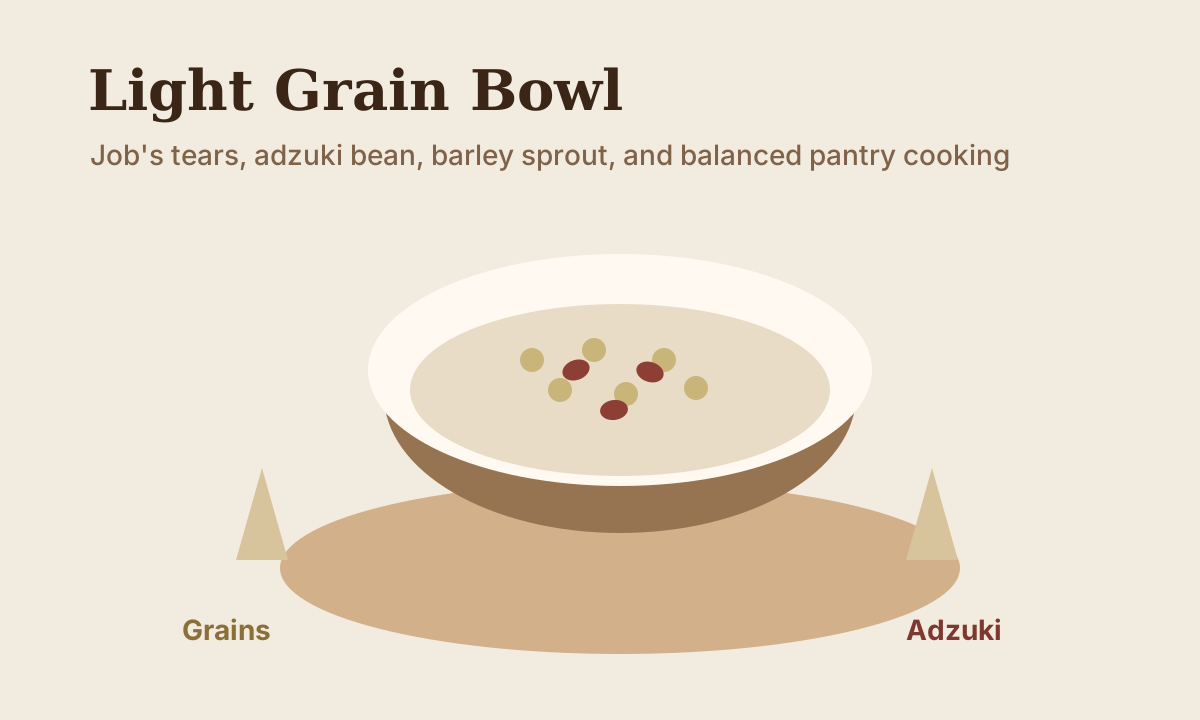
Job's tears (Coix lacryma-jobi), also called adlay or coix, is a mild, grain-like seed used across East Asian pantries. This simple stovetop porridge shows how the ingredient behaves in the pot—texture, soak time, and water ratio—and offers a few pantry-friendly ways to serve it so you can picture it on your table instead of only in a glossary entry. The recipe keeps seasoning and technique straightforward so you can focus on differences between pearlized versus whole grains, how soaking shortens cooking, and how to convert the dish to sweet or savory.
Readers who search job's tears porridge usually want a clear grain-based method they can adapt sweet or savory, so this page keeps the technique practical and beginner-friendly.
This recipe page includes ingredients, step-by-step preparation, and related herb links so readers can move from one kitchen idea into clearer ingredient context.
Quick guide
This page explains the traditional kitchen context behind Job's Tears Porridge for Heavy Days, then shows the ingredient list, step-by-step method, related herb pages, and topic hubs for deeper reading.
Job's tears cooks to a soft, starchy porridge that's neutral in flavor and accepts both savory and sweet finishes. The seed is relatively low in flavor intensity but high in texture potential—soaking and the grain form you buy (pearlized vs. whole) are the main variables that determine cook time and final mouthfeel. Matching your technique to the product prevents undercooked grit or overcooked mush.
You'll learn practical kitchen skills that transfer to other grains: how soaking shortens time, how water ratios determine porridge thickness, and how to switch a base grain from sweet to savory with a few pantry items. The notes also show how to check packaging for processing terms (pearlized, hulled, whole) and point to ingredient pages if you want sourcing or traditional-context reading.
Recipe basics
Yield: 2 bowls | Prep: 10 min | Total: 60 min
Step by step
Serving notes
Caution
Ingredient links
These kitchen pages perform best when they connect directly to ingredient profiles so readers can check traditional terms, food uses, and caution notes in one place.
Next recipes
If this recipe matches what the reader wants, the best next click is usually another kitchen page with a similar ingredient, season, or pantry theme.
References
[1] National Center for Complementary and Integrative Health (NCCIH). Dietary and Herbal Supplements. https://www.nccih.nih.gov/health/dietary-and-herbal-supplements
[2] USDA FoodData Central. https://fdc.nal.usda.gov/
[3] National Center for Complementary and Integrative Health (NCCIH). Hawthorn. https://www.nccih.nih.gov/health/hawthorn
Keep exploring
This article is part of the Kitchen Traditions section. Return there for more kitchen-focused reading and ingredient ideas.
Topic hubs