Quick guide
What this recipe page includes
This page explains the traditional kitchen context behind Poria and Coix Seed Congee, then shows the ingredient list, step-by-step method, related herb pages, and topic hubs for deeper reading.
Kitchen Traditions
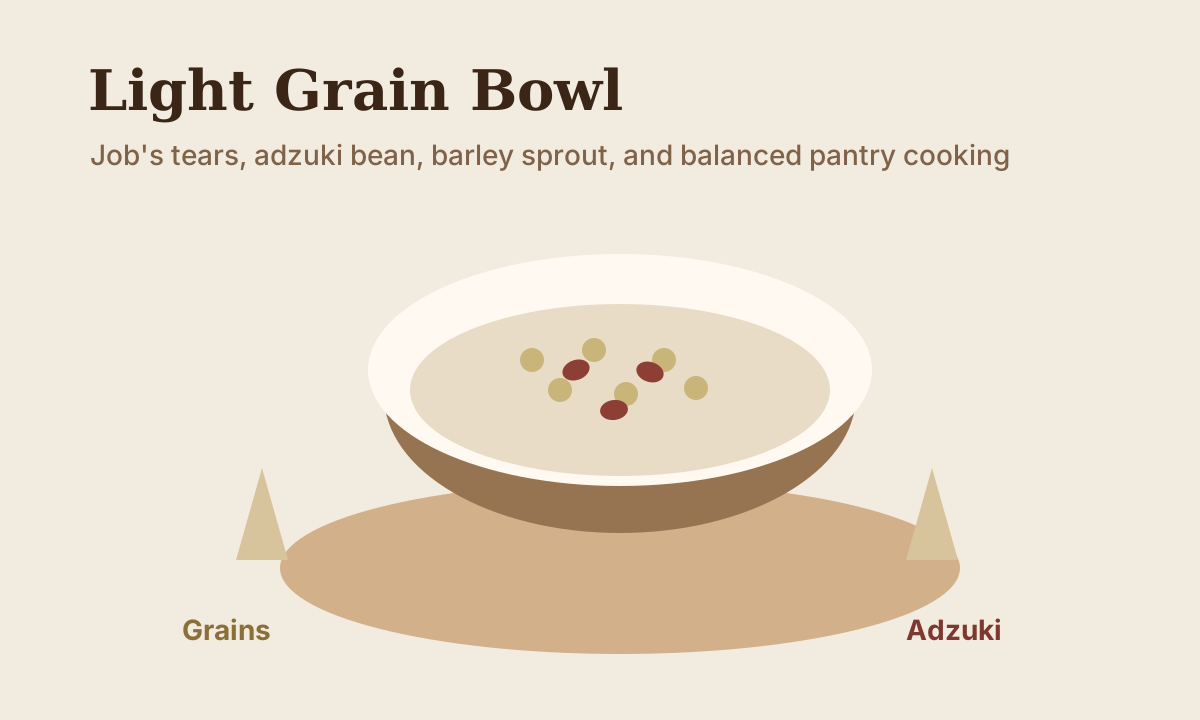
Poria and coix seed congee (Poria cocos + Job's tears) is a quietly mild rice porridge served across kitchens that favor unfussy, comforting grain bowls. The recipe below keeps the seasoning light so the texture and subtle flavors of the grains and poria can be appreciated; it's a food-first, culinary preparation rather than a therapeutic formulation. This page gives a single-pot stovetop method for two servings, practical tips for texture and storage, ingredient sourcing notes, and short safety reminders so you can cook, store, and serve with confidence.
Readers who search poria congee or coix seed congee usually want a simple grain-based bowl, so this page keeps the ingredient list short and the method easy to follow.
This recipe page includes ingredients, step-by-step preparation, and related herb links so readers can move from one kitchen idea into clearer ingredient context.
Quick guide
This page explains the traditional kitchen context behind Poria and Coix Seed Congee, then shows the ingredient list, step-by-step method, related herb pages, and topic hubs for deeper reading.
Poria (Poria cocos) reconstitutes into a softly chewy, spongy texture and adds a neutral, earthy note when simmered. Coix seed (Job's tears, Coix lacryma-jobi) is a starchy cereal grain that softens and contributes a clean, faintly nutty body. Combined with short- or medium-grain white rice, the starches break down into a smooth, neutral-tasting congee that's a forgiving base for simple toppings. The restrained seasoning allows the grain and poria textures to be the focus in each spoonful.
Recipe basics
Yield: 2 servings | Prep: 10 min | Total: 55 min
Step by step
Serving notes
Caution
Ingredient links
These kitchen pages perform best when they connect directly to ingredient profiles so readers can check traditional terms, food uses, and caution notes in one place.
References
[1] USDA FoodData Central. https://fdc.nal.usda.gov/
[2] USDA FSIS. Safe Food Handling and Preparation. https://www.fsis.usda.gov/food-safety/safe-food-handling-and-preparation
[3] National Center for Complementary and Integrative Health (NCCIH). Dietary and Herbal Supplements. https://www.nccih.nih.gov/health/dietary-and-herbal-supplements
Keep exploring
This article is part of the Kitchen Traditions section. Return there for more kitchen-focused reading and ingredient ideas.