Quick guide
What this recipe page includes
This page explains the traditional kitchen context behind Chinese Yam and Jujube Porridge Basics, then shows the ingredient list, step-by-step method, related herb pages, and topic hubs for deeper reading.
Kitchen Traditions
Chinese yam and dried jujube porridge is a gentle, pantry-friendly bowl that belongs in a simple weekday rotation. The yam gives soft, starchy body while jujube adds warm, raisin-like sweetness—together they make a forgiving porridge you can tailor by choosing rice or oats and by varying the water ratio. This page presents a compact recipe, clear technique notes, and practical serving and storage guidance, plus links to related herb pages.
Readers who search Chinese yam porridge or jujube congee usually want a mild, forgiving breakfast bowl, so this page keeps the method clear and beginner-friendly.
This recipe page includes ingredients, step-by-step preparation, and related herb links so readers can move from one kitchen idea into clearer ingredient context.
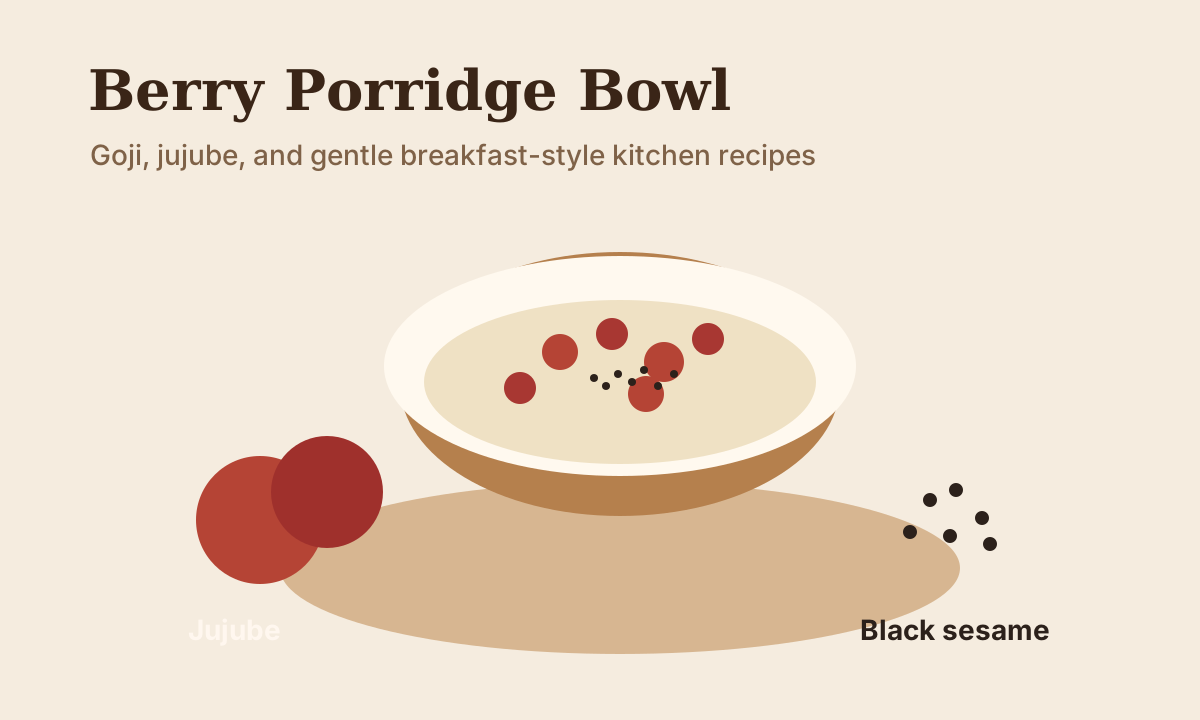
Quick guide
This page explains the traditional kitchen context behind Chinese Yam and Jujube Porridge Basics, then shows the ingredient list, step-by-step method, related herb pages, and topic hubs for deeper reading.
Chinese yam (Dioscorea spp.) softens to a silky, slightly mucilaginous texture when diced small and simmered, helping the porridge bind without a lot of stirring. Dried jujube (Ziziphus jujuba) plumps and releases concentrated sweetness and a dated-fruity depth that often removes the need for added sugar. Short- or medium-grain white rice yields a classic congee-like creaminess; rolled oats give a quicker, softer porridge. The simple, sequential method keeps the yam and jujube from overcooking while allowing flavors to meld.
Recipe basics
Yield: 2 bowls | Prep: 10 min | Total: 45 min
Step by step
Serving notes
Caution
Ingredient links
These kitchen pages perform best when they connect directly to ingredient profiles so readers can check traditional terms, food uses, and caution notes in one place.
Next recipes
If this recipe matches what the reader wants, the best next click is usually another kitchen page with a similar ingredient, season, or pantry theme.
References
[1] USDA FoodData Central. https://fdc.nal.usda.gov/
[2] National Center for Complementary and Integrative Health (NCCIH). Dietary and Herbal Supplements. https://www.nccih.nih.gov/health/dietary-and-herbal-supplements
Keep exploring
This article is part of the Kitchen Traditions section. Return there for more kitchen-focused reading and ingredient ideas.