Quick guide
What this recipe page includes
This page explains the traditional kitchen context behind Jujube and Ginger Tea for Busy Weeks, then shows the ingredient list, step-by-step method, related herb pages, and topic hubs for deeper reading.
Kitchen Traditions
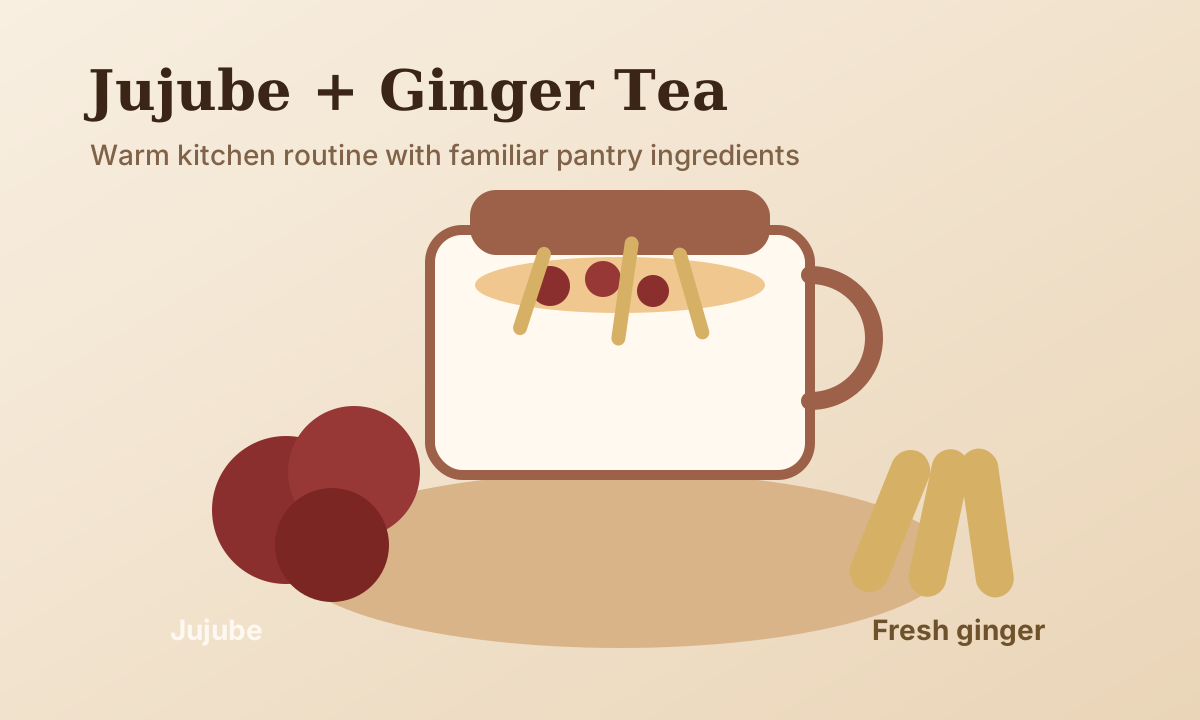
Jujube (Ziziphus jujuba) and fresh ginger (Zingiber officinale) are a classic pairing in traditional Chinese wellness practices, often used to harmonize the digestion and provide a gentle, warming energy boost. Fresh ginger is traditionally known to warm the center and support healthy circulation, while jujube is valued for nourishing the blood and calming the spirit. Modern research highlights ginger's active compounds, such as gingerols, which offer digestive support and antioxidant properties. Jujubes provide vitamin C and polysaccharides. Together, they create a comforting, caffeine-free tea perfect for stressful or busy weeks.
Readers often land here looking for a simple jujube tea recipe, so the page keeps the ingredient list short and the method easy to follow.
This recipe page includes ingredients, step-by-step preparation, and related herb links so readers can move from one kitchen idea into clearer ingredient context.
Quick guide
This page explains the traditional kitchen context behind Jujube and Ginger Tea for Busy Weeks, then shows the ingredient list, step-by-step method, related herb pages, and topic hubs for deeper reading.
Jujube (Ziziphus jujuba) and fresh ginger (Zingiber officinale) are a classic pairing in traditional Chinese wellness practices, often used to harmonize the digestion and provide a gentle, warming energy boost. Fresh ginger is traditionally known to warm the center and support healthy circulation, while jujube is valued for nourishing the blood and calming the spirit.
Modern research highlights ginger's active compounds, such as gingerols, which offer digestive support and antioxidant properties. Jujubes provide vitamin C and polysaccharides. Together, they create a comforting, caffeine-free tea perfect for stressful or busy weeks.
The simplicity of this two-ingredient tea belies its depth. The warming nature of ginger complements the sweet, nourishing quality of jujube, making this an ideal introduction to traditional Chinese kitchen wisdom for beginners. It requires minimal prep, uses widely available ingredients, and can be made in about 20 minutes.
Fresh ginger is generally safe in culinary amounts, but those with a history of gallstones or individuals taking products that affect circulation should consult a qualified professional before consuming large amounts.
Jujubes may interact with certain supplements or products that affect immune function or mood (such as SSNRIs); professional guidance is recommended if you are managing these situations.
Recipe basics
Yield: 2 mugs | Prep: 5 min | Total: 25 min
Step by step
Serving notes
Caution
Ingredient links
These kitchen pages perform best when they connect directly to ingredient profiles so readers can check traditional terms, food uses, and caution notes in one place.
Next recipes
If this recipe matches what the reader wants, the best next click is usually another kitchen page with a similar ingredient, season, or pantry theme.
References
[1] Healthline. What Is Jujube Fruit? Nutrition, Benefits, and Uses. https://www.healthline.com/nutrition/jujube
[2] MSKCC. Ginger. https://www.mskcc.org/cancer-care/integrative-medicine/herbs/ginger
Keep exploring
This article is part of the Kitchen Traditions section. Return there for more kitchen-focused reading and ingredient ideas.
Topic hubs