Quick guide
What this recipe page includes
This page explains the traditional kitchen context behind Schisandra and Jujube Tea Basics, then shows the ingredient list, step-by-step method, related herb pages, and topic hubs for deeper reading.
Kitchen Traditions
Schisandra and jujube tea is a simple pantry brew that highlights two dried ingredients often found in Asian groceries: dried schisandra berries (wu wei zi) and dried jujubes (red dates). The pairing balances schisandra's concentrated tart, resinous aroma with jujube's soft, mellow sweetness, producing a mellow warm drink that's easy to scale from a single pot to a larger batch for the week. This article explains ingredient selection, straightforward technique, small variations, and practical food-safety notes so you can make a consistent cup from pantry staples.
Readers who search schisandra tea usually want a simple, scaled-down pantry brew, so this page keeps the ingredient list short and the method flexible.
This recipe page includes ingredients, step-by-step preparation, and related herb links so readers can move from one kitchen idea into clearer ingredient context.
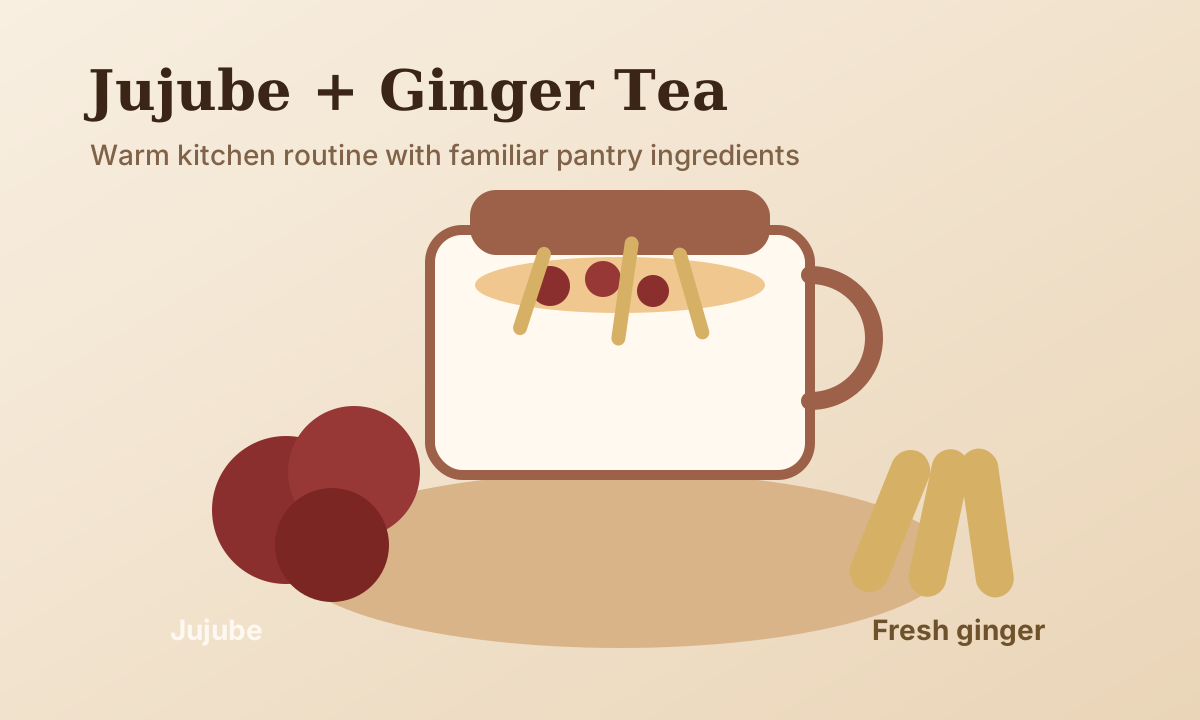
Quick guide
This page explains the traditional kitchen context behind Schisandra and Jujube Tea Basics, then shows the ingredient list, step-by-step method, related herb pages, and topic hubs for deeper reading.
Schisandra berries are aromatic and tart; used sparingly, they add a bright, slightly resinous note. Jujubes (dried red dates) soften and sweeten when simmered, creating a cushion that lets schisandra's flavor be noticeable without dominating the cup. The method—short simmer for a lighter cup or longer for a fuller extraction—keeps the balance flexible for different palates. Historical culinary terms such as "warming" or "cooling" sometimes appear in older recipe notes; when used here, they're framed as traditional or flavor vocabulary rather than medical recommendations.
Recipe basics
Yield: 2 mugs | Prep: 5 min | Total: 20 min
Step by step
Serving notes
Caution
Ingredient links
These kitchen pages perform best when they connect directly to ingredient profiles so readers can check traditional terms, food uses, and caution notes in one place.
Next recipes
If this recipe matches what the reader wants, the best next click is usually another kitchen page with a similar ingredient, season, or pantry theme.
References
[1] National Center for Complementary and Integrative Health (NCCIH). Dietary and Herbal Supplements. https://www.nccih.nih.gov/health/dietary-and-herbal-supplements
[2] Memorial Sloan Kettering Cancer Center. Schisandra. https://www.mskcc.org/cancer-care/integrative-medicine/herbs/schisandra
[3] USDA FoodData Central. https://fdc.nal.usda.gov/
Keep exploring
This article is part of the Kitchen Traditions section. Return there for more kitchen-focused reading and ingredient ideas.
Topic hubs