Quick guide
What this recipe page includes
This page explains the traditional kitchen context behind Lotus Seed and Longan Sweet Soup Basics, then shows the ingredient list, step-by-step method, related herb pages, and topic hubs for deeper reading.
Kitchen Traditions
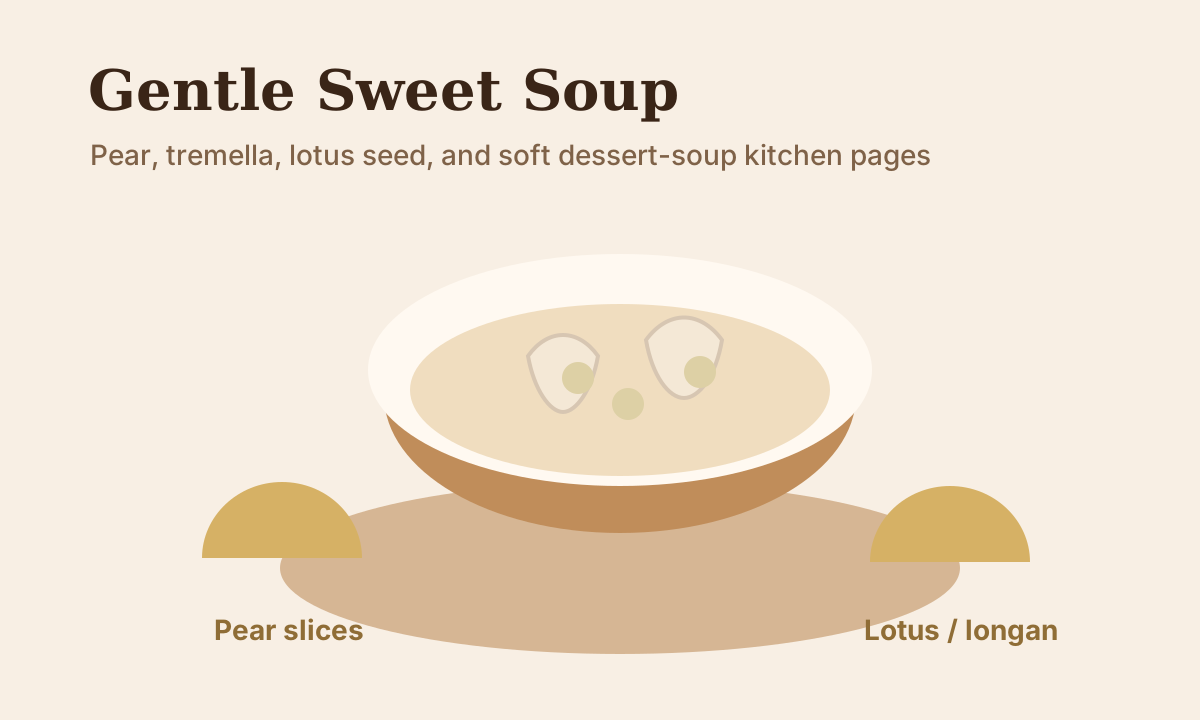
Lotus seed and dried longan sweet soup is a quietly familiar East Asian pantry dessert: soft, mildly sweet, and focused on texture rather than complicated technique. A modest set of dried ingredients, a short soak for older seeds, and gentle simmering produce a small, soothing bowl that works warm or chilled. Dried lotus seeds soften into a gently creamy, starchy texture when cooked, while dried longan offers concentrated fruit sweetness and a floral-fruity aroma.
Readers who search lotus seed soup or dried longan sweet soup usually want one classic bowl, so this page stays practical, gentle, and easy to repeat.
This recipe page includes ingredients, step-by-step preparation, and related herb links so readers can move from one kitchen idea into clearer ingredient context.
Quick guide
This page explains the traditional kitchen context behind Lotus Seed and Longan Sweet Soup Basics, then shows the ingredient list, step-by-step method, related herb pages, and topic hubs for deeper reading.
Dried lotus seeds soften into a gently creamy, starchy texture when cooked; dried longan offers concentrated fruit sweetness and a floral-fruity aroma. Cooking the lotus seeds long enough produces an even, tender bite, while adding longan near the end preserves its shape and fragrance. Using longan as the principal sweetener reduces the need for large amounts of added sugar, keeping the soup delicate rather than cloying.
You'll learn how to judge whether lotus seeds need soaking versus longer simmering, how ingredient timing affects contrast between tender seeds and plumped dried fruit, and practical swaps and storage tips so you can adapt the method to different pantries.
Recipe basics
Yield: 2 small bowls | Prep: 10 min | Total: 45 min
Step by step
Serving notes
Caution
Ingredient links
These kitchen pages perform best when they connect directly to ingredient profiles so readers can check traditional terms, food uses, and caution notes in one place.
Next recipes
If this recipe matches what the reader wants, the best next click is usually another kitchen page with a similar ingredient, season, or pantry theme.
References
[1] NCCIH. Dietary and Herbal Supplements. https://www.nccih.nih.gov/health/dietary-and-herbal-supplements
[2] FDA. Outbreak Investigation: Salmonella - Wood Ear Mushrooms (dried fungus), September 2020. https://www.fda.gov/food/outbreaks-foodborne-illness/outbreak-investigation-salmonella-stanley-wood-ear-mushrooms-dried-fungus-september-2020
[3] USDA FoodData Central. https://fdc.nal.usda.gov/
[4] PubMed. Tremella review. https://pubmed.ncbi.nlm.nih.gov/31877636/
[5] Memorial Sloan Kettering Cancer Center. Schisandra. https://www.mskcc.org/cancer-care/integrative-medicine/herbs/schisandra
Keep exploring
This article is part of the Kitchen Traditions section. Return there for more kitchen-focused reading and ingredient ideas.
Topic hubs