Quick guide
What this recipe page includes
This page explains the traditional kitchen context behind Chrysanthemum Tea Basics, then shows the ingredient list, step-by-step method, related herb pages, and topic hubs for deeper reading.
Kitchen Traditions
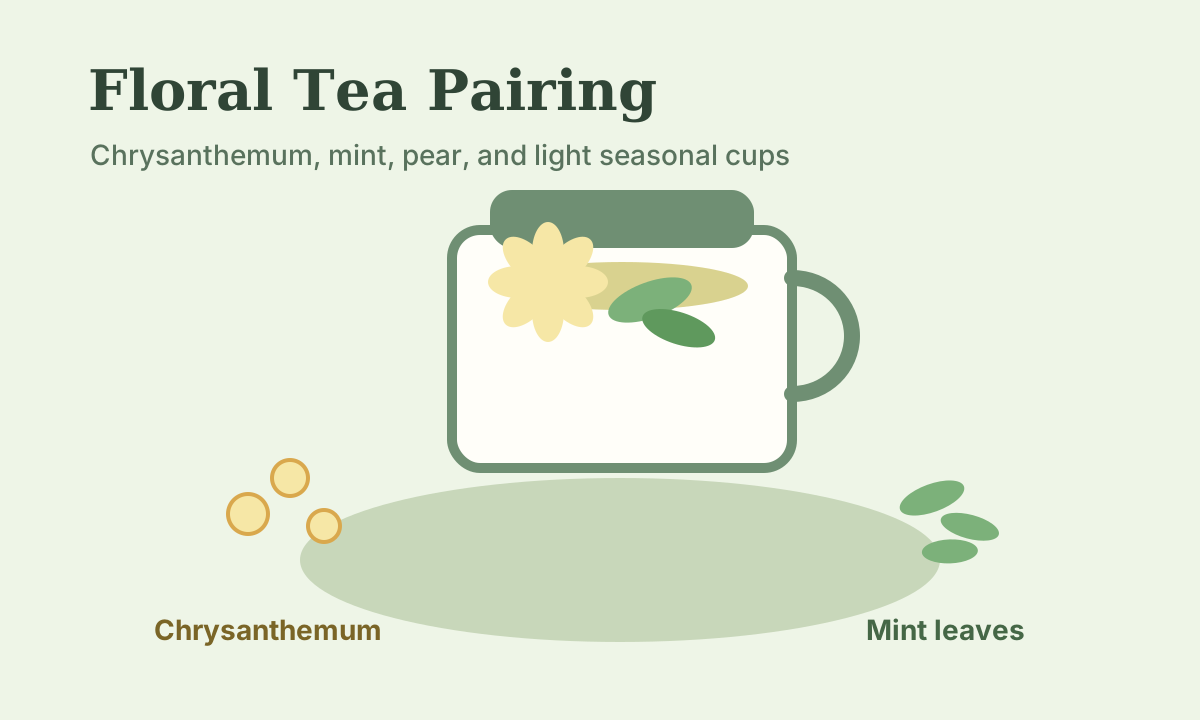
Chrysanthemum tea is a gentle, floral infusion that's easy to make and easy to adapt. This page gives a single-ingredient recipe for a clear, pale cup and practical notes on technique, serving, and safety so you can brew with confidence. Use the simple method below as a daily sipper or as the base for iced versions and light blends (mint, pear, or goji are common culinary pairings in traditional recipes). Historical kitchen terms such as "cooling" appear here as culinary or historical vocabulary only, not as medical claims.
Readers who search chrysanthemum tea usually want the plain version first, so this page keeps the ingredient list short and the method direct.
This recipe page includes ingredients, step-by-step preparation, and related herb links so readers can move from one kitchen idea into clearer ingredient context.
Quick guide
This page explains the traditional kitchen context behind Chrysanthemum Tea Basics, then shows the ingredient list, step-by-step method, related herb pages, and topic hubs for deeper reading.
Chrysanthemum flowers are delicate; the goal is to release their pale color and floral aromatics without extracting bitter or soapy compounds. Using fresh water, a brief quick rinse, and water that's just off the boil helps the flowers open and give a clean, clear infusion. Short steeps (3-5 minutes) preserve sweetness and clarity, while a slightly longer steep produces a stronger, earthier cup.
You'll pick up transferable skills for other delicate botanical infusions: how to rinse fragile dried flowers, how water temperature changes extraction, how to get a second lighter infusion, and how modest sweetening alters mouthfeel without masking the flower.
Recipe basics
Yield: 2 mugs | Prep: 5 min | Total: 10 min
Step by step
Serving notes
Caution
Ingredient links
These kitchen pages perform best when they connect directly to ingredient profiles so readers can check traditional terms, food uses, and caution notes in one place.
Next recipes
If this recipe matches what the reader wants, the best next click is usually another kitchen page with a similar ingredient, season, or pantry theme.
References
[1] NCCIH. Dietary and Herbal Supplements. https://www.nccih.nih.gov/health/dietary-and-herbal-supplements
[2] USDA FoodData Central. https://fdc.nal.usda.gov/
Keep exploring
This article is part of the Kitchen Traditions section. Return there for more kitchen-focused reading and ingredient ideas.
Topic hubs