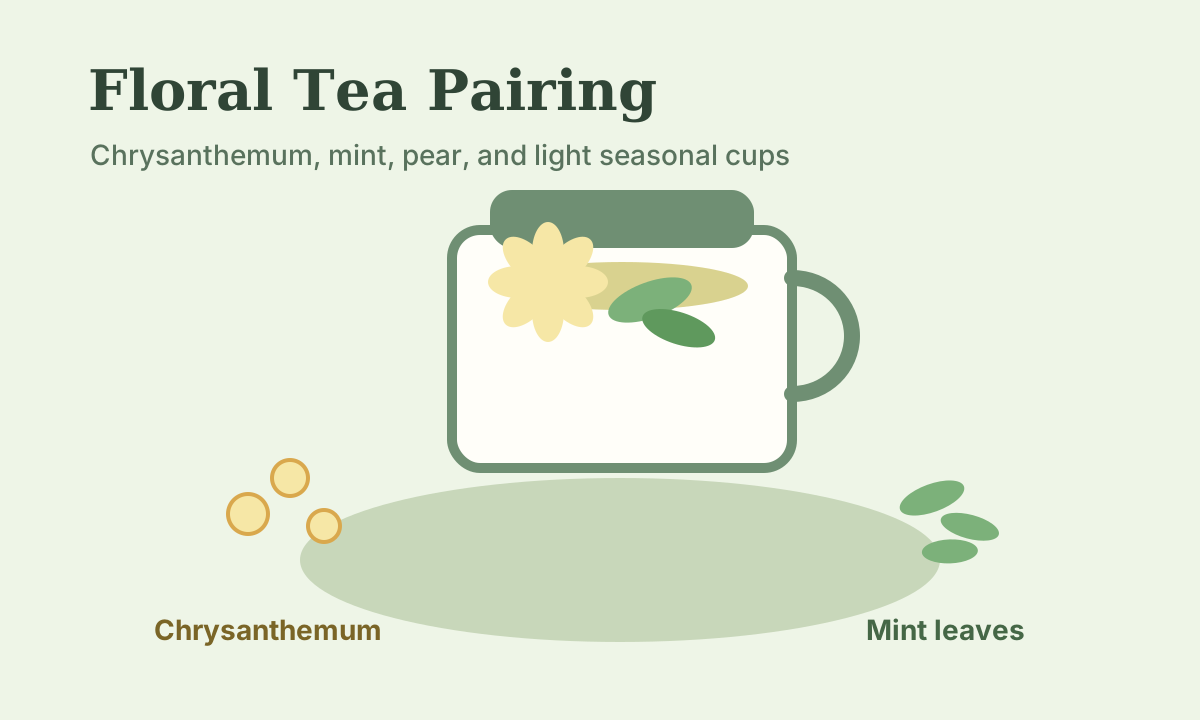
Pear and chrysanthemum tea is a light, seasonal brew that balances soft fruit sweetness with a gentle floral note. It's easy to make on the stovetop or as a cold-brewed pitcher for warm afternoons. This page focuses on kitchen technique, ingredient selection, and simple variations—culinary guidance, not health advice. Traditional descriptors such as "cooling" or "warming" are explained here only as culinary or historical vocabulary rather than medical claims.
Readers who search pear and chrysanthemum tea usually want a gentle seasonal cup they can make hot or cold, so this page keeps the method clear and the floral note light.
This recipe page includes ingredients, step-by-step preparation, and related herb links
so readers can move from one kitchen idea into clearer ingredient context.
Quick guide
What this recipe page includes
This page explains the traditional kitchen context behind Pear and Chrysanthemum Tea for Warm Afternoons,
then shows the ingredient list, step-by-step method, related herb pages, and
topic hubs for deeper reading.
Pears contribute gentle sweetness and a rounded mouthfeel that supports the chrysanthemum's floral aroma without competing with it. Dried chrysanthemum flowers release delicate flavors and a pale color with a short simmer or a cool, slow steep; keeping steep time moderate prevents bitterness or astringency. The optional goji berries or a touch of honey add color and subtle extra sweetness while keeping the tea light.
What readers learn beyond the recipe
You'll pick up stovetop timing for layering flavors (fruit first, flowers later), how to temper floral intensity, and the basics of cold-steeping floral teas for a smoother, less intense cup. Notes cover which pear varieties work best, how to check dried flowers for quality, safe handling and refrigerated storage, and a handful of easy substitutions to match pantry contents.
Recipe basics
Ingredients
Yield: 2 mugs | Prep: 6 min | Total: 20 min
1 small pear (Asian pear, Bartlett, or Bosc), thinly sliced (about 1 cup sliced)
Optional: 2-3 dried goji berries or 1 tsp honey or maple syrup, to taste
Step by step
How to make it
Prepare the pear: rinse the fruit, slice thinly, and remove the core. Peeling is optional—leave the skin on for texture and color or peel for a milder mouthfeel.
Inspect the chrysanthemum flowers: remove any debris or hard stems. A brief rinse is optional; many cooks add them directly if the supplier indicates they are food-grade.
Stovetop method: combine pear slices and 3 cups water in a small saucepan. Bring to a gentle simmer over medium heat. After the water simmers, reduce heat and simmer pear slices 6-8 minutes to release juices and aroma. Add the chrysanthemum flowers (and goji berries if using). Simmer very gently 2-4 minutes—shorter for a lighter floral note. Remove from heat and let steep off-heat 2-3 minutes to finish extraction without oversteeping. Strain into mugs and taste. Sweeten with honey or maple syrup if desired.
Cold-brew option: place pear slices and chrysanthemum flowers in a jar with 3 cups cold water. Seal and refrigerate 4-12 hours (4-6 hours for a mild cup; overnight for more body). Strain before serving. Cold-steeped tea will be smoother and less florally assertive than hot-brewed.
Final tips: if you want more body, mash a few pear slices in the pot while simmering. If the floral note is too strong, reduce the chrysanthemum to 2 teaspoons next time.
Serving notes
Keep it simple
Serve warm, room temperature, or chilled over ice. Garnish with a thin pear slice or a few softened goji berries.
Sweeten sparingly—pear provides natural sweetness. A small amount of honey or maple syrup lets you control sweetness without masking floral notes.
Use leftover steeped pears as a topping for yogurt or oatmeal within 24-48 hours.
Keep it simple: start with 1 Tbsp dried chrysanthemum for a gentle cup; reduce to 2 tsp if you prefer a subtler floral accent.
Asian pears are crisp and watery; Bartletts and Boscs are sweeter and give a richer flavor. Adjust pear quantity (add 1/4-1/2 pear) for more body.
No precise stopwatch needed—aim for the timing windows above and tweak to taste on subsequent brews.
Caution
Read this recipe in context
This page gives culinary information, not medical guidance. Use food-grade chrysanthemum from a reputable supplier and follow package instructions. If you are pregnant, breastfeeding, have a diagnosed medical condition, are on regular medications, or are using concentrated botanical extracts, check with a qualified clinician or pharmacist before adding regular herbal preparations to your routine.
If you have food allergies (for example, to berries or pollen-related sensitivities), avoid optional ingredients that could trigger reactions. Practical food-safety note: do not leave brewed beverages at room temperature for more than two hours; refrigerate leftovers promptly and use within about 48 hours.
Read this recipe in context: this recipe is a seasonal, kitchen-forward way to enjoy pear and chrysanthemum together. Traditional descriptors like "cooling" are used here as culinary or historical vocabulary, not as clinical or therapeutic claims. Treat this as a flavor experiment and a simple beverage option rather than health advice.
Ingredient links
Related herb pages for this recipe
These kitchen pages perform best when they connect directly to ingredient profiles so
readers can check traditional terms, food uses, and caution notes in one place.