Quick guide
What this recipe page includes
This page explains the traditional kitchen context behind Pear and Lily Bulb Soup for Dry Days, then shows the ingredient list, step-by-step method, related herb pages, and topic hubs for deeper reading.
Kitchen Traditions
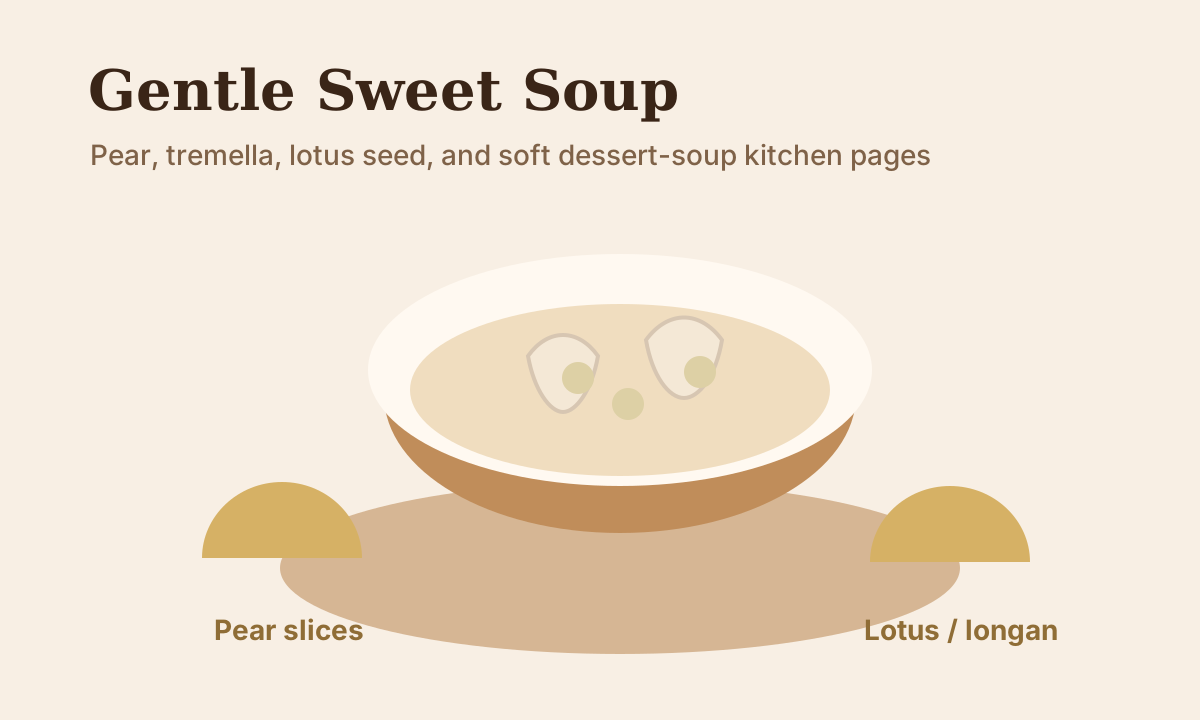
Pear and lily bulb soup is a small, soft dessert-soup from East Asian home cooking. The combination yields a lightly sweet, gently textured bowl that many cooks serve warm as a simple finish to a meal or a soothing tea-time snack. The recipe leans on pantry-friendly dried lily bulb (bái hé) and a fresh pear; both create a mellow soup that sits between a compote and a clear sweet soup.
This recipe page includes ingredients, step-by-step preparation, and related herb links so readers can move from one kitchen idea into clearer ingredient context.
Quick guide
This page explains the traditional kitchen context behind Pear and Lily Bulb Soup for Dry Days, then shows the ingredient list, step-by-step method, related herb pages, and topic hubs for deeper reading.
Pear brings natural sweetness and juice that breaks down to a tender, saucy texture when simmered. Dried lily bulb rehydrates to a soft, slightly starchy piece that rounds the mouthfeel and adds a faint floral note. The combination keeps the soup light — unlike a syrupy compote — because a gentle simmer preserves a clearer cooking liquid and prevents the pear from turning to mush.
You'll learn how to handle and rehydrate dried lily bulb so it cooks evenly, how simmering technique affects clarity and texture of a light sweet soup, and how seasonal language in Chinese culinary writing maps to kitchen choices (texture and sweetness).
Recipe basics
Yield: 2 bowls | Prep: 10 min | Total: 35 min
Step by step
Serving notes
Caution
Ingredient links
These kitchen pages perform best when they connect directly to ingredient profiles so readers can check traditional terms, food uses, and caution notes in one place.
Next recipes
If this recipe matches what the reader wants, the best next click is usually another kitchen page with a similar ingredient, season, or pantry theme.
References
[1] NCCIH. Dietary and Herbal Supplements. https://www.nccih.nih.gov/health/dietary-and-herbal-supplements
[2] USDA FoodData Central. https://fdc.nal.usda.gov/
[3] U.S. Food and Drug Administration. Outbreak Investigation: Salmonella Stanley - Wood Ear Mushrooms (dried fungus), September 2020. https://www.fda.gov/food/outbreaks-foodborne-illness/outbreak-investigation-salmonella-stanley-wood-ear-mushrooms-dried-fungus-september-2020
[4] PubMed. Tremella review. https://pubmed.ncbi.nlm.nih.gov/31877636/
Keep exploring
This article is part of the Kitchen Traditions section. Return there for more kitchen-focused reading and ingredient ideas.
Topic hubs