Quick guide
What this recipe page includes
This page explains the traditional kitchen context behind Iced Hibiscus Tea: A Tangy Make-Ahead Summer Drink,
then shows the ingredient list, step-by-step method, related herb pages, and
topic hubs for deeper reading.
A beginner-friendly kitchen structure
A good first batch keeps the formula short: one lead ingredient, one supporting note, clean water or a simple base, and a measured cooking time. Here, dried hibiscus flowers provides the main character while fresh lime keeps the flavor familiar. Taste near the end instead of adding extra ingredients all at once.
In HerbGuide's kitchen writing, traditional food context is offered as a way to understand ingredients and pairings. It is not a personal label or a one-size-fits-all instruction.
Why this recipe works in a home kitchen
This preparation works because it asks for a small, recognizable ingredient list and uses a gentle method. USDA FoodData Central can help readers compare ordinary food items and ingredients when they want more neutral food-data context. The flavor lesson is equally important: blooming, steeping, or slow simmering changes how aroma moves into the liquid.
Why it works: Tradition meets science
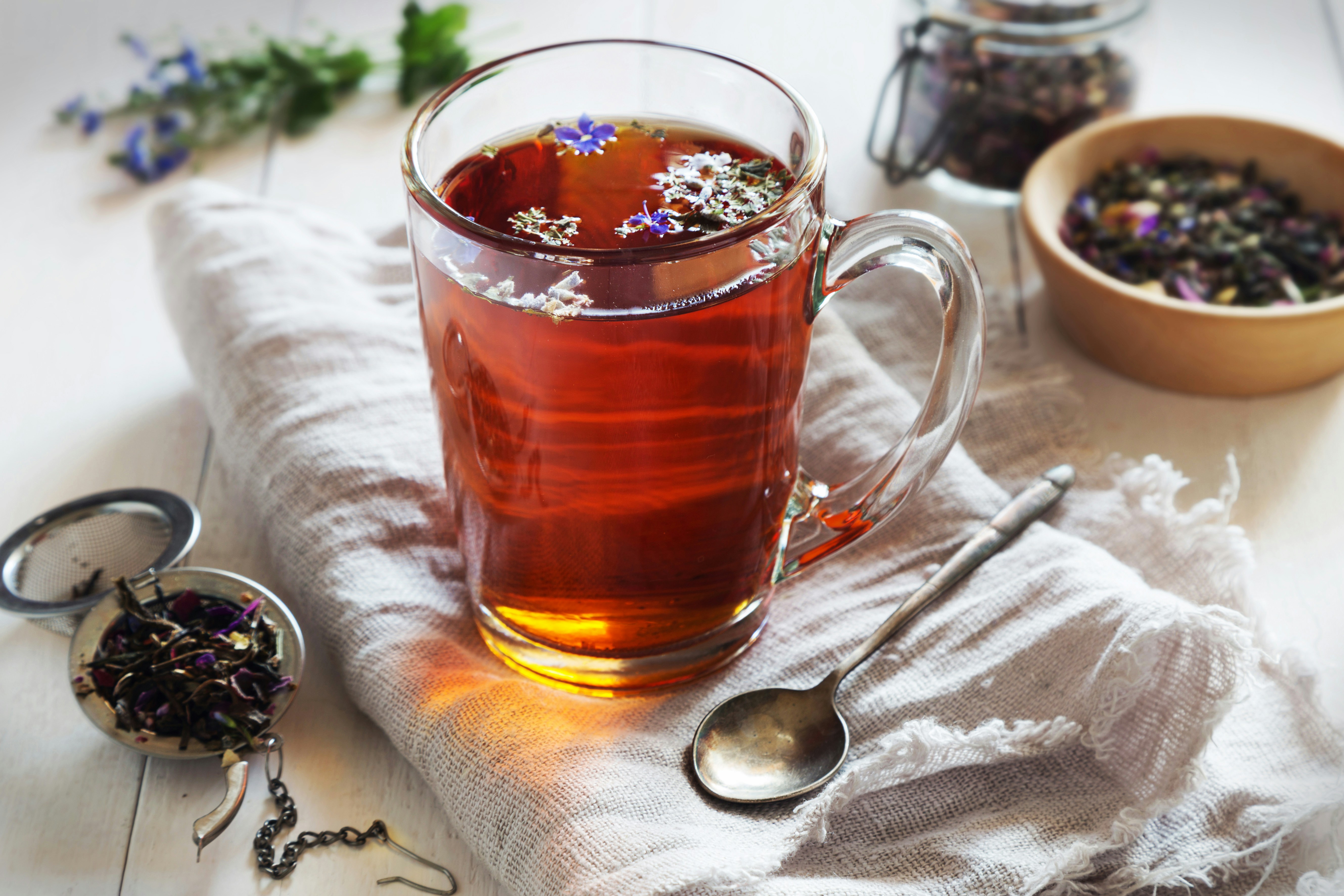
Hibiscus is a tart, ruby-red infusion known as karkade in the Middle East and North Africa and agua de jamaica in Mexico and Latin America, where it is usually served chilled and lightly sweetened. This iced version adds fresh lime to sharpen the tang. On HerbGuide it is a pantry drink, not a treatment.
The deep red color comes from anthocyanins and other polyphenols in Hibiscus sabdariffa; preliminary research has looked at hibiscus for blood-pressure support, though the evidence is still developing. Lime contributes vitamin C and citric acid that brighten and balance the tartness. The page keeps the language culinary and descriptive.
Recipe basics
Ingredients
Yield: 2 cups or 2 small bowls | Prep: 10 min | Total: 35 min
- 2 teaspoons to 1 tablespoon food-grade dried hibiscus flowers
- 1 modest portion of fresh lime
- 3 cups fresh water or a mild, unsalted cooking base
- Optional: a small pinch of salt or a little sweetener, added only after tasting
- Optional garnish: a slice of citrus, a few sesame seeds, or a tender herb leaf
Step by step
How to make it
- Check the ingredient. Use food-grade ingredients that smell clean and are stored dry. Rinse fresh produce if used.
- Build the base. Add the water or mild base to a small saucepan. Add dried hibiscus flowers and fresh lime.
- Warm gently. Bring the liquid just to a simmer, then reduce the heat. For a tea-style preparation, cover and steep; for a bowl or broth, keep a quiet simmer.
- Taste before adjusting. After 10 minutes, taste a spoonful. Continue only if the flavor needs more time. Strong spices become dominant quickly.
- Strain or serve. Remove hard whole spices or woody pieces. Serve warm, or cool fully and refrigerate for a chilled version.
Serving notes
Keep it simple
- Keep the first version deliberately plain. A small bowl of rice, sliced fruit, toast, or a lightly seasoned vegetable dish gives the flavor room to be noticed. If you make a larger batch, label it with the date and refrigerate promptly.
Caution
Read this recipe in context
- Use this as a recipe, not as a fixed routine for every reader. FDA guidance on spices emphasizes ordinary food-safety practices such as clean handling and appropriate cooking when needed. Concentrated products are different from food ingredients; NCCIH notes that supplement products may pose different considerations from everyday foods.
Ingredient links
Related herb pages for this recipe
These kitchen pages perform best when they connect directly to ingredient profiles so
readers can check traditional terms, food uses, and caution notes in one place.
Next recipes
Related kitchen pages to open next
If this recipe matches what the reader wants, the best next click is usually another
kitchen page with a similar ingredient, season, or pantry theme.
References
References
Riaz G, Chopra R. A review on phytochemistry and therapeutic uses of Hibiscus sabdariffa L. Biomedicine & Pharmacotherapy. 2018;102:575-586.
U.S. Department of Agriculture, Agricultural Research Service. FoodData Central. https://fdc.nal.usda.gov/
U.S. Food and Drug Administration. Questions & Answers on Improving the Safety of Spices. https://www.fda.gov/food/risk-and-safety-assessments-food/questions-answers-improving-safety-spices
National Center for Complementary and Integrative Health. Dietary and Herbal Supplements. https://www.nccih.nih.gov/health/dietary-and-herbal-supplements
U.S. Food and Drug Administration. CPG Sec. 525.750: Spices—Definitions. https://www.fda.gov/regulatory-information/search-fda-guidance-documents/cpg-sec-525750-spices-definitions
Keep exploring
Back to Kitchen Traditions
This article is part of the Kitchen Traditions section. Return
there for more kitchen-focused reading and ingredient ideas.
Topic hubs
Continue this kitchen theme