Quick guide
What this recipe page includes
This page explains the traditional kitchen context behind Lotus Leaf and Burdock Root Tea Basics, then shows the ingredient list, step-by-step method, related herb pages, and topic hubs for deeper reading.
Kitchen Traditions
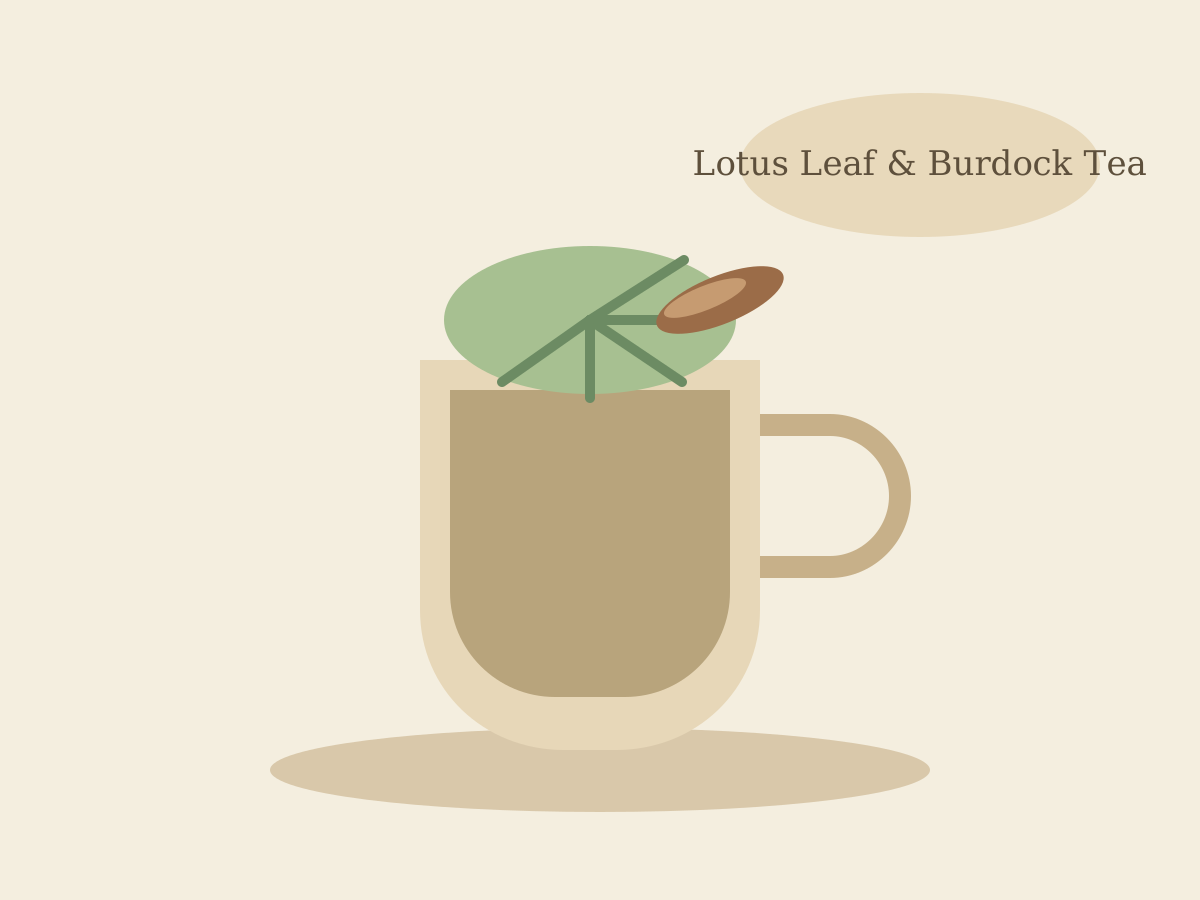
Lotus leaf and burdock root combine into a simple pantry tea with a soft vegetal top note from the leaf and an earthy backbone from the root. It's a mild, approachable cup that fits easily into a seasonal tea rotation or a quiet afternoon at home. This page gives a brief cultural context, a clear ingredient list with metric-friendly measures, a step-by-step method, serving ideas, and concise safety guidance so you can make the cup from pantry staples with confidence.
Readers who search lotus leaf tea or burdock tea usually want a mild, approachable cup, so this page keeps the method flexible between steeping and simmering.
This recipe page includes ingredients, step-by-step preparation, and related herb links so readers can move from one kitchen idea into clearer ingredient context.
Quick guide
This page explains the traditional kitchen context behind Lotus Leaf and Burdock Root Tea Basics, then shows the ingredient list, step-by-step method, related herb pages, and topic hubs for deeper reading.
Lotus leaf (Nelumbo nucifera) lends a soft, vegetal aroma and a light, green note that infuses quickly. Burdock root (Arctium lappa) adds a steady, mildly sweet earthiness that benefits from longer heat to release its flavor. Because the two components extract at different rates, you can choose a quick steep for a delicate, leaf-forward cup or a short simmer to let the burdock's character come through. The pairing is forgiving: slight changes in time or ratio yield predictable shifts toward lighter or heartier profiles.
Recipe basics
Yield: 2 mugs | Prep: 6 min | Total: 20 min
Step by step
Serving notes
Caution
Ingredient links
These kitchen pages perform best when they connect directly to ingredient profiles so readers can check traditional terms, food uses, and caution notes in one place.
Next recipes
If this recipe matches what the reader wants, the best next click is usually another kitchen page with a similar ingredient, season, or pantry theme.
References
[1] NCCIH. Dietary and Herbal Supplements. https://www.nccih.nih.gov/health/dietary-and-herbal-supplements
[2] USDA FoodData Central. https://fdc.nal.usda.gov/
Keep exploring
This article is part of the Kitchen Traditions section. Return there for more kitchen-focused reading and ingredient ideas.
Topic hubs