Quick guide
What this recipe page includes
This page explains the traditional kitchen context behind Tangerine Peel and Pear Warm Tea Basics, then shows the ingredient list, step-by-step method, related herb pages, and topic hubs for deeper reading.
Kitchen Traditions
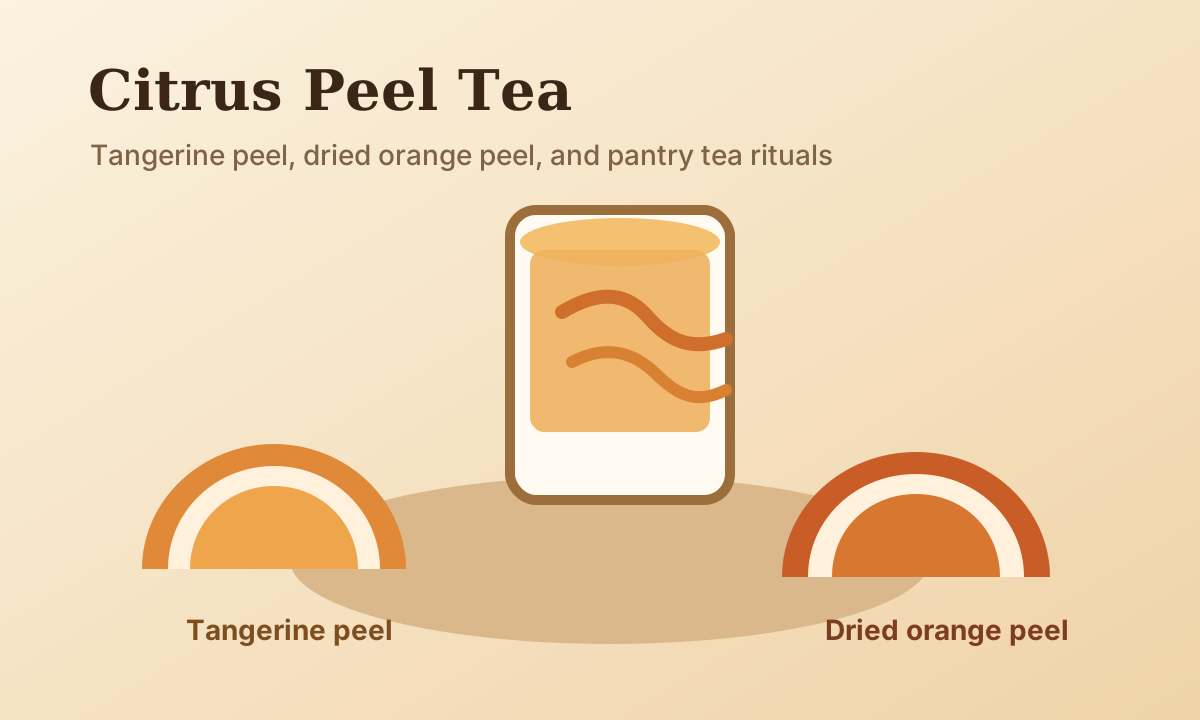
Tangerine (chen pi) peel and pear make an easy pantry tea: the dried peel contributes a bright, citrus perfume while the pear adds gentle sweetness and soft body. It's a light, warm drink meant for flavor and comfort—simple to build from pantry staples and easy to adjust for personal taste. This page focuses on technique, ingredient choices, and safe kitchen practice. You'll find a short ingredients list, a clear step-by-step method, substitution ideas, storage and reheating notes, and links to related HerbGuide pages.
Readers who search tangerine peel tea usually want a soft citrus cup with a gentle fruit finish, so this page keeps the simmer low and the ingredient list simple.
This recipe page includes ingredients, step-by-step preparation, and related herb links so readers can move from one kitchen idea into clearer ingredient context.
Quick guide
This page explains the traditional kitchen context behind Tangerine Peel and Pear Warm Tea Basics, then shows the ingredient list, step-by-step method, related herb pages, and topic hubs for deeper reading.
Dried tangerine peel concentrates the fruit's aromatic oils; a gentle simmer releases those volatile compounds into the water without the bitterness that comes from long, hard boiling. Thin slices of ripe pear contribute natural sugars and a silky mouthfeel without masking the citrus aromatics. Together they create a clear, approachable warm tea that's easy to scale and adapt.
Recipe basics
Yield: 2 cups | Prep: 6 min | Total: 18 min
Step by step
Serving notes
Caution
Ingredient links
These kitchen pages perform best when they connect directly to ingredient profiles so readers can check traditional terms, food uses, and caution notes in one place.
Next recipes
If this recipe matches what the reader wants, the best next click is usually another kitchen page with a similar ingredient, season, or pantry theme.
References
[1] National Center for Complementary and Integrative Health (NCCIH). Dietary and Herbal Supplements. https://www.nccih.nih.gov/health/dietary-and-herbal-supplements
[2] U.S. Department of Agriculture. FoodData Central. https://fdc.nal.usda.gov/
Keep exploring
This article is part of the Kitchen Traditions section. Return there for more kitchen-focused reading and ingredient ideas.