Quick guide
What this recipe page includes
This page explains the traditional kitchen context behind Walnut and Black Sesame Paste Basics, then shows the ingredient list, step-by-step method, related herb pages, and topic hubs for deeper reading.
Kitchen Traditions
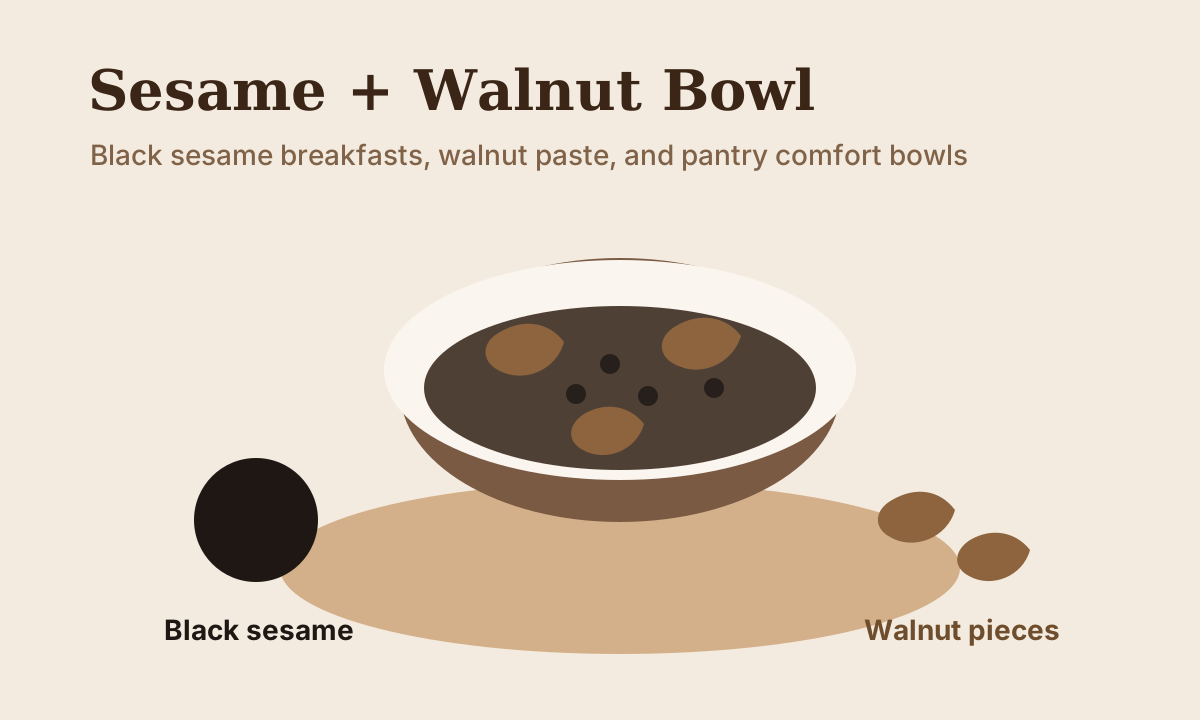
Walnut and black sesame paste is a quick pantry bowl that reads as a comforting breakfast or snack. The toasted, nutty depth of black sesame combines with the rounded creaminess of walnuts to give a paste that's rich without complicated technique. This page presents a straightforward, small-batch recipe plus context, troubleshooting, and safe-handling notes so you can make it reliably at home. The recipe is adaptable to the milks and sweeteners you have on hand, and the same technique helps with other nut-and-seed pastes.
Readers who search black sesame paste usually want a small-batch pantry bowl they can repeat, so this page keeps the technique straightforward and the texture adjustable.
This recipe page includes ingredients, step-by-step preparation, and related herb links so readers can move from one kitchen idea into clearer ingredient context.
Quick guide
This page explains the traditional kitchen context behind Walnut and Black Sesame Paste Basics, then shows the ingredient list, step-by-step method, related herb pages, and topic hubs for deeper reading.
Toasted black sesame delivers an assertive, roasted-nut aroma and dark color; walnuts contribute creaminess and a slightly bitter, savory oil note. A liquid with some body (oat milk, whole dairy, or enriched plant milk) helps suspend ground oils so the paste is smooth rather than oily. A small amount of rice or oat flour cooked briefly into the warmed liquid forms a soft gel that stabilizes the mixture as it cools, preventing separation and giving a pleasant spoonable texture. Toasting whole sesame seeds before grinding unlocks more aroma; using preground black sesame powder is convenient and consistent.
Recipe basics
Yield: 2 bowls | Prep: 8 min | Total: 20 min
Step by step
Serving notes
Caution
Ingredient links
These kitchen pages perform best when they connect directly to ingredient profiles so readers can check traditional terms, food uses, and caution notes in one place.
Next recipes
If this recipe matches what the reader wants, the best next click is usually another kitchen page with a similar ingredient, season, or pantry theme.
References
[1] NCCIH. Dietary and Herbal Supplements. https://www.nccih.nih.gov/health/dietary-and-herbal-supplements
[2] USDA FoodData Central. https://fdc.nal.usda.gov/
Keep exploring
This article is part of the Kitchen Traditions section. Return there for more kitchen-focused reading and ingredient ideas.